

Our Governance
SNAICC – National Voice for our Children has a governance and accountability structure grounded in Aboriginal and Torres Strait Islander community control, cultural authority and self-determination.
As the national peak body for Aboriginal and Torres Strait Islander children, young people and families, SNAICC is accountable to our members and to the communities we serve. Our governance structures ensure Aboriginal and Torres Strait Islander peoples have a central role in setting our strategic direction, guiding our priorities and holding the organisation accountable to the aspirations and interests of children, young people and families across Australia.
SNAICC is governed by a Board of Directors and a Council, supported by subcommittees and national leadership groups. Through these representative structures, Aboriginal and Torres Strait Islander leaders from across every state and territory contribute their knowledge, expertise and perspectives to the decisions that guide our national work.
Our governance brings together the voices, priorities and leadership of our members and communities that ensures SNAICC’s work remains accountable to the people we represent and the children, young people and families at the heart of it.
SNAICC’s governance begins with our Members.
SNAICC has a national membership of almost 200 Aboriginal and Torres Strait Islander community-controlled organisations and non-Indigenous community-based organisations working across early childhood education and care, child and family safety and wellbeing, foster care, youth services, family support and related sectors throughout Australia.
Our members shape SNAICC’s governance, strategic direction and national advocacy. Their expertise, community connections and sector leadership inform our policy development, organisational priorities and work to advance the rights, safety and wellbeing of Aboriginal and Torres Strait Islander children, young people and families.
Membership comprises the following categories:
- Full Members: Aboriginal and Torres Strait Islander community-controlled organisations delivering services across the early childhood development and/or child and family safety and wellbeing sectors.
- Associate Members: Organisations and individuals working alongside these sectors who support SNAICC’s vision and purpose.
- Individual Members: Individuals who support SNAICC’s vision and purpose.
- Life Members: Individuals recognised for their contribution to SNAICC and its work.
Members contribute through consultation and engagement, opportunities to shape organisational initiatives and representative decision-making.
Full Members elect representatives to the Council, which elects the Board of Directors, providing a formal link between SNAICC’s membership and its governance to ensure the organisation’s direction and decisions are informed by the knowledge, priorities and aspirations of its members and the communities they represent.
The SNAICC Council brings together Aboriginal and Torres Strait Islander leaders from every state and territory to inform the organisation’s strategic direction, strengthen accountability to members and guide national advocacy.
The Council comprises members of the Board of Directors and additional representatives elected by Full Members from each state and territory. Its composition ensures representation from both the early childhood development and child and family safety and wellbeing sectors.
Each state and territory is represented by:
- one representative from the early childhood development sector; and
- one representative from the child protection and family support sector.
Council members bring sector knowledge, community leadership and jurisdictional perspectives to SNAICC’s governance. They provide advice on emerging issues and opportunities for reform, help shape the organisation’s strategic priorities and national advocacy, and strengthen the connection between SNAICC’s national work and the organisations and communities it represents.
The Council meets throughout the year to consider sector developments, share perspectives from across jurisdictions and inform SNAICC’s strategic direction.
Aunty Muriel Bamblett chairs both the Council and the Board of Directors.
The SNAICC Board provides governance leadership and organisational oversight, ensuring the organisation is well governed, financially sustainable and accountable to its members and the Aboriginal and Torres Strait Islander communities it serves.
Working closely with the Council, Chief Executive Officer and Executive team, the Board is responsible for SNAICC’s strategic direction, organisational performance, financial sustainability, enterprise risk management and statutory compliance. Board composition is based on the expertise and experience needed to govern the organisation rather than equal regional representation.
The Board:
- comprises seven Council-elected Directors, including the Chairperson, Deputy Chairperson, Treasurer and Secretary, alongside Specialist Directors appointed for their expertise in key areas;
- is made up entirely of Aboriginal and Torres Strait Islander peoples;
- appoints the Chief Executive Officer, who reports directly to the Board; and
- oversees the organisation’s strategy, performance, financial management, risk and compliance.
Directors serve two-year terms, with a maximum of four consecutive terms.
The Board meets throughout the year, including for an Annual General Meeting, and works with the Council to ensure SNAICC’s strategic direction and organisational decisions are informed by the priorities, aspirations and interests of Aboriginal and Torres Strait Islander children, young people, families and communities.
Aunty Muriel Bamblett chairs both the Council and the Board of Directors.
Board of Directors
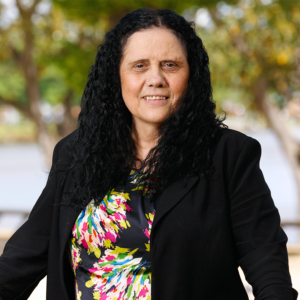
Aunty Muriel Bamblett
Chairperson
Aunty Muriel Bamblett AO Hon DLitt SW is a proud Yorta Yorta and Dja Dja Wurrung woman and one of Australia’s foremost leaders in Aboriginal and Torres Strait Islander child and family wellbeing.
As CEO of Victorian Aboriginal Child Care Agency (VACCA) since 1999, she has led one of Australia’s largest Aboriginal community-controlled organisations and is widely recognised for advancing Aboriginal self-determination in child and family services.
Aunty Muriel has received numerous honours, including appointment as an Officer of the Order of Australia, in recognition of her outstanding contribution to Aboriginal and Torres Strait Islander children, families and communities, and National NAIDOC Person of the Year.
A former SNAICC Chairperson from 1998 to 2008, Aunty Muriel returned to the role in 2020.
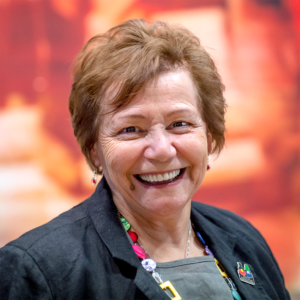
Aunty Rachel Atkinson
Deputy Chairperson
Aunty Rachel Atkinson is a proud Yorta Yorta woman with more than 25 years’ experience improving outcomes for Aboriginal and Torres Strait Islander communities through community-controlled health and child and family services.
Rachel is the founding CEO of Palm Island Community Company, established in 2007, and has led the organisation’s growth as a significant provider of culturally grounded services for the Bwgcolman/Palm Island community. She is a strong advocate for community-led approaches, self-determination and systemic reform across child protection, health and family wellbeing.
Rachel also serves as Chair of the Queensland Aboriginal and Torres Strait Islander Child Protection Peak (QATSICPP) and contributes to strengthening Aboriginal and Torres Strait Islander-led reform across Queensland.
“I support the work of SNAICC because of my passion for Aboriginal and Torres Strait Islander children’s health, welfare, and human development.”
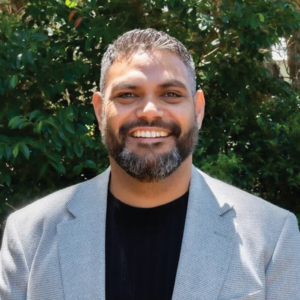
John Leha
Treasurer
John Leha is a proud Birri Gubba, Wakka Wakka and Tongan man and CEO of AbSec – NSW Child, Family and Community Peak Aboriginal Corporation since 2021.
John brings extensive experience across government, community-controlled organisations and Aboriginal community leadership, with expertise in advocacy, policy reform, organisational leadership and community development. He is committed to advancing self-determination, strengthening systems and improving outcomes for Aboriginal children, families and communities across New South Wales.
John has worked extensively in Indigenous health, education and employment programs across state and federal government and is well known as a health ambassador.
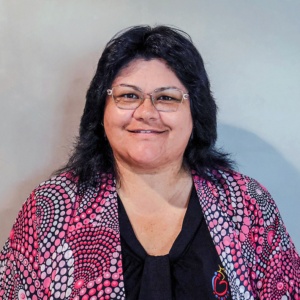
Selina Walker
Secretary
Selina Walker is a proud Ngunnawal woman and community leader based in Canberra.
As a founding member and Chair of Yerrabi Yurwang Child and Family Aboriginal Corporation, Selina has played an important role in strengthening support for Aboriginal children, families and communities across Ngunnawal Country. Her leadership spans child and youth protection, reconciliation, justice and community wellbeing, and she is a strong advocate for culturally safe systems that centre Aboriginal voices and community leadership.
Selina has worked for over twelve years across the ACT human services sectors, including child and youth protection, homelessness, mental health and women’s services. As co-chair of the ACT Reconciliation Council since 2018, Selina is a strong advocate for reconciliation and Aboriginal and Torres Strait Islander rights.
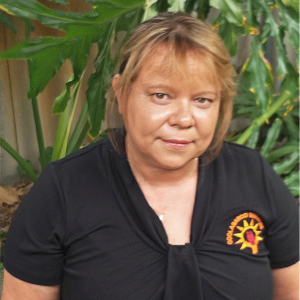
Joanne Della Bona
Board Member | Early Childhood Development & Wellbeing Specialist
Joanne Della Bona is a Noongar yorga (woman) from Whadjuk (Perth) and Balardong (Wheatbelt) Boodja (country) in Western Australia.
Joanne has more than 30 years of experience in the community services sector, in early childhood education and care, education, housing and child protection governance. Joanne commenced her career with qualifications of a Bachelor of Education and is passionate about early childhood education for Aboriginal children and providing children with a solid development foundation through education.
She was awarded the Western Australian of the Year Awards 1994 – Youth Category. Joanne has held Board positions at Noongar Radio, Aboriginal Family Law Services, Noongar Family Safety Wellbeing Council (NFSWC) and Western Australian Council of Social Services (WACOSS).
She is currently a Council Member of SNAICC, a member of the Family Matters Leadership Group and Trustee of the Wongatha Peoples Education and Recreation Trust.
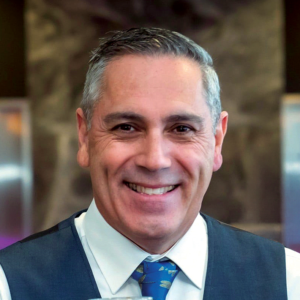
Craig Rigney
Board Member | Child Safety & Wellbeing Specialist
Craig Rigney is a proud Ngarrindjeri and Kaurna man and one of South Australia’s most respected Aboriginal leaders in community services and social justice.
As CEO of KWY Aboriginal Corporation since 2011, Craig has grown the organisation from two staff to a statewide workforce providing culturally grounded services across family violence, child protection, justice, and family support. With extensive experience in strategic leadership, policy development, and systems reform, he contributes nationally through roles on the National Aboriginal and Torres Strait Islander Advisory Council on Family, Domestic and Sexual Violence and the First Nations National Plan Steering Committee.
Craig is widely recognised for his commitment to self-determination and strengthening Aboriginal families and communities through culturally led solutions.
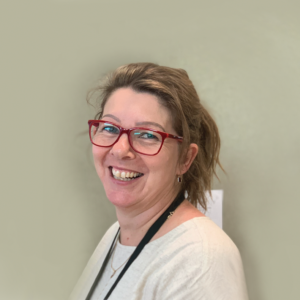
Wendy Moore
Board Member
Wendy Moore is a proud Palawa woman from Lutruwita/Tasmania, with family connections to Truwana/Cape Barren Island and Tayaritja/ Flinders Island.
Wendy’s family are the inspiration and motivation for the work she does in advocating and supporting positive changes for Aboriginal children and youth in lutruwita/Tasmania. Wendy is a qualified social worker who has worked at the Tasmanian Aboriginal Centre for 18 years. She is currently employed as the Statewide Family and Children’s Program Manager and recently spent 12 months working on the Tasmanian Commission of Inquiry into child sexual abuse in government institutions.
Through her work with the Tasmanian Aboriginal Centre and broader community leadership, Wendy has contributed to strengthening culturally informed approaches that support Aboriginal self-determination and community wellbeing.
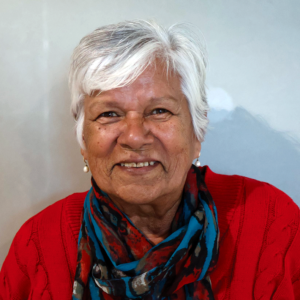
Barbara Henry
Board Member
Barbara Henry is a respected Aboriginal leader from the Noongar Nation with over 40 years of advocating for the rights and wellbeing of Aboriginal families, women, children and communities.
Barbara currently serves as Director of the Noongar Family Safety and Wellbeing Council, an organisation committed to the safety of families, especially women and children, ensuring families stay safe together and children are not unnecessarily removed and placed into care. Barbara has held key roles requiring policy and program intervention, particularly in family and domestic violence, helping shape more culturally responsive approaches across Western Australia. She has also contributed her expertise as a member of the Western Australian Government’s Family and Domestic Violence Taskforce.
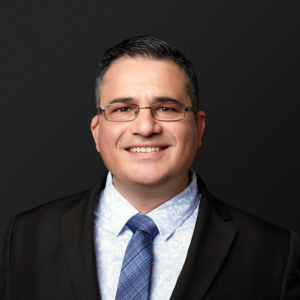
Phillip Brooks
Board Member
Phillip is a descendant of the Bidjara Tribe (Great Grandfather), the Kairi Tribe (Great Grandmother) and the Ducabrook Clan located at Springsure, Central Queensland.
As CEO of the Queensland Aboriginal and Torres Strait Islander Child Protection Peak (QATSICPP), Phillip leads the state’s independent peak body for the Aboriginal and Torres Strait Islander community-controlled child protection and family support sector. QATSICPP is also the Youth Justice Peak body for Queensland, representing the broader youth justice sector.
Phillip brings 25 years of experience in government, most recently serving as Deputy Director-General of Corporate Services and First Nations Strategy and Partnerships, where he oversaw human resources, finance, procurement and facilities, legal services and internal audit functions for the department, alongside efforts to improve education outcomes for Aboriginal and Torres Strait Islander students.
Phillip was previously Deputy Director-General and Chief Operating Officer of Service Delivery, Youth Justice in the Queensland Department of Children, Youth Justice and Multicultural Affairs, and a former Commissioner at the Queensland Family and Child Commission.
Council Members
Jurisdiction | Organisation & Member | Description |
| Australian Capital Territory | Yerrabi Yurwang – Child & Family Aboriginal Corporation (Selina Walker) | Yerrabi Yurwang is an ACCO supporting Aboriginal children, families and communities on Ngunnawal Country through culturally safe child and family services, advocacy and community-led programs. |
| New South Wales | Maari Ma Health Aboriginal Corporation (Richard Weston) | Maari Ma is an ACCHO providing comprehensive health, social and wellbeing services for Aboriginal communities across the far western region of NSW. |
| New South Wales | AbSec – NSW Child, Family and Community Peak Aboriginal Corporation (John Leha) | AbSec is the peak body for Aboriginal child, family and community services in NSW, advocating for Aboriginal children, young people and families and strengthening Aboriginal-led approaches across the sector. |
| Northern Territory | Danila Dilba Health Service (Rob McPhee) | Danila Dilba is one of the Northern Territory’s largest ACCHOs, providing culturally safe primary health care and social and wellbeing services for Aboriginal communities across the Top End. |
| Northern Territory | Central Australian Aboriginal Congress (Dawn Ross) | Central Australian Aboriginal Congress is one of Australia’s oldest and largest ACCHOs, delivering comprehensive health, social and wellbeing services across Central Australia. |
| Queensland | Palm Island Community Company Limited (Aunty Rachel Atkinson) | Palm Island Community Company is an ACCO providing culturally grounded health, family support, social and community services for the Bwgcolman/ Palm Island community and surrounding region. |
| Queensland | Queensland Aboriginal and Torres Strait Islander Child Protection Peak (Phillip Brooks) | QATSICPP is the Queensland peak body for Aboriginal and Torres Strait Islander community-controlled child protection, family support and youth justice services, advocating for self-determination and better outcomes for children and families. |
| South Australia | KWY Aboriginal Corporation (Craig Rigney) | KWY is a statewide ACCO providing culturally informed family safety, healing, wellbeing and justice services that support Aboriginal individuals, families and communities across South Australia. |
| Tasmania | Tasmanian Aboriginal Centre (Wendy Moore) | The Tasmanian Aboriginal Centre is the peak Aboriginal organisation in Lutruwita/Tasmania, delivering health, cultural heritage, language, legal and community services while advocating for Aboriginal rights and self-determination. |
| Victoria | Victorian Aboriginal Child and Community Agency (Muriel Bamblett) | VACCA is Victoria’s largest ACCO supporting Aboriginal children, young people and families through child and family services, early years programs, cultural strengthening and community-support initiatives. |
| Victoria | Victorian Aboriginal Education Association Incorporated (Neville Atkinson) | VAEAI is the peak Victorian Aboriginal education organisation, advocating for Koorie education, cultural inclusion and improved outcomes for Aboriginal learners from early childhood through to tertiary education. |
| Western Australia | Coolabaroo Neighbourhood Centre (Joanne Della Bona) | Coolabaroo is an Aboriginal community-controlled early childhood and community organisation providing culturally safe early learning, family support and community programs for Aboriginal children and families in Boorloo/Perth’s south-east region. |
| Western Australia | Yorganop Association Incorporated (Barbara Henry) | Yorganop is Western Australia’s leading Aboriginal foster care and family support organisation, providing culturally appropriate out-of-home care, family support and reunification services to Aboriginal children and families. |
Subcommittees and Leadership Groups
- Finance, Audit and Risk Management
- National Transition
- Youth Voice
- National Leadership Groups and Partnerships
The Finance, Audit and Risk Management (FARM) Subcommittee supports the Board in fulfilling its financial and organisational oversight responsibilities. Its work covers financial management, budgeting, audit and compliance, enterprise risk management and workforce-related matters.
Meeting quarterly, the FARM Subcommittee reviews financial performance and audit outcomes, monitors organisational risks and internal controls, and advises the Board on matters affecting SNAICC’s financial sustainability, risk exposure and compliance with regulatory obligations. Membership comprises the Treasurer, two Board members, the Chief Executive Officer, the Commercial Director and the Director of Corporate Services.
The National Transition Subcommittee provides cultural and strategic leadership of SNAICC’s national transition and transformation agenda, supporting the transfer of services, decision-making and investment to Aboriginal and Torres Strait Islander community-controlled organisations.
The Subcommittee guides this work to ensure national reform is grounded in Aboriginal and Torres Strait Islander self-determination, community control and cultural authority. Its priorities include guiding implementation of the Sector Transformation Principles Framework, aligned with the National Child and Family Investment Strategy, supporting approaches to monitoring and evaluation, and advancing Aboriginal and Torres Strait Islander-led commissioning and procurement.
The Youth Voice Subcommittee is a subcommittee of the SNAICC Council that provides Aboriginal and Torres Strait Islander young people with a formal place in SNAICC’s governance and national decision-making.
It provides a youth-led, action-oriented way for young people to shape SNAICC’s priorities, policy and advocacy. The model recognises young people as experts in their own lives and supports them to influence decisions that affect them, and independently facilitated sessions provide a space for young people to share their views and determine how their contributions are recorded and communicated. The broader Youth Voice model also includes jurisdictional connections, Youth Gatherings, ambassador pathways and engagement with existing and emerging youth-led and community-led initiatives.
Members of the SNAICC Board and Council also contribute to national leadership groups and partnerships that inform and progress SNAICC’s advocacy and reform agenda, including:
- the Early Childhood Care and Development Policy Partnership;
- the Safe and Supported Leadership Group;
- the Family Matters Leadership Group;
- the Early Years Policy Leadership Group Subcommittee.
Through these groups and partnerships, SNAICC works alongside Aboriginal and Torres Strait Islander leaders, governments and other stakeholders to inform national policy, strengthen collaboration and progress reform across early childhood development and child and family safety and wellbeing.
Accountability, Risk Management and Compliance
SNAICC maintains governance, risk management and compliance frameworks to support responsible decision-making, effective organisational oversight and accountability.
The Board oversees SNAICC’s strategic and operational risks through regular reporting, organisational risk registers and established governance processes. This includes monitoring risks relating to financial sustainability, regulatory and statutory compliance, cybersecurity, workforce, operational delivery and organisational reputation. These processes support the Board and Executive team to identify and manage risks, meet their governance and compliance responsibilities, safeguard SNAICC’s resources and maintain the organisation’s capacity to deliver its strategic priorities.
Regulatory Registrations
SNAICC – National Voice for our Children is registered with the Australian Securities and Investments Commission (ASIC) and the Australian Charities and Not-for-profits Commission (ACNC) as a registered charity.
Join Us
Be part of our advocacy efforts and stay informed about our initiatives.
Become a member today and add your voice to the cause.